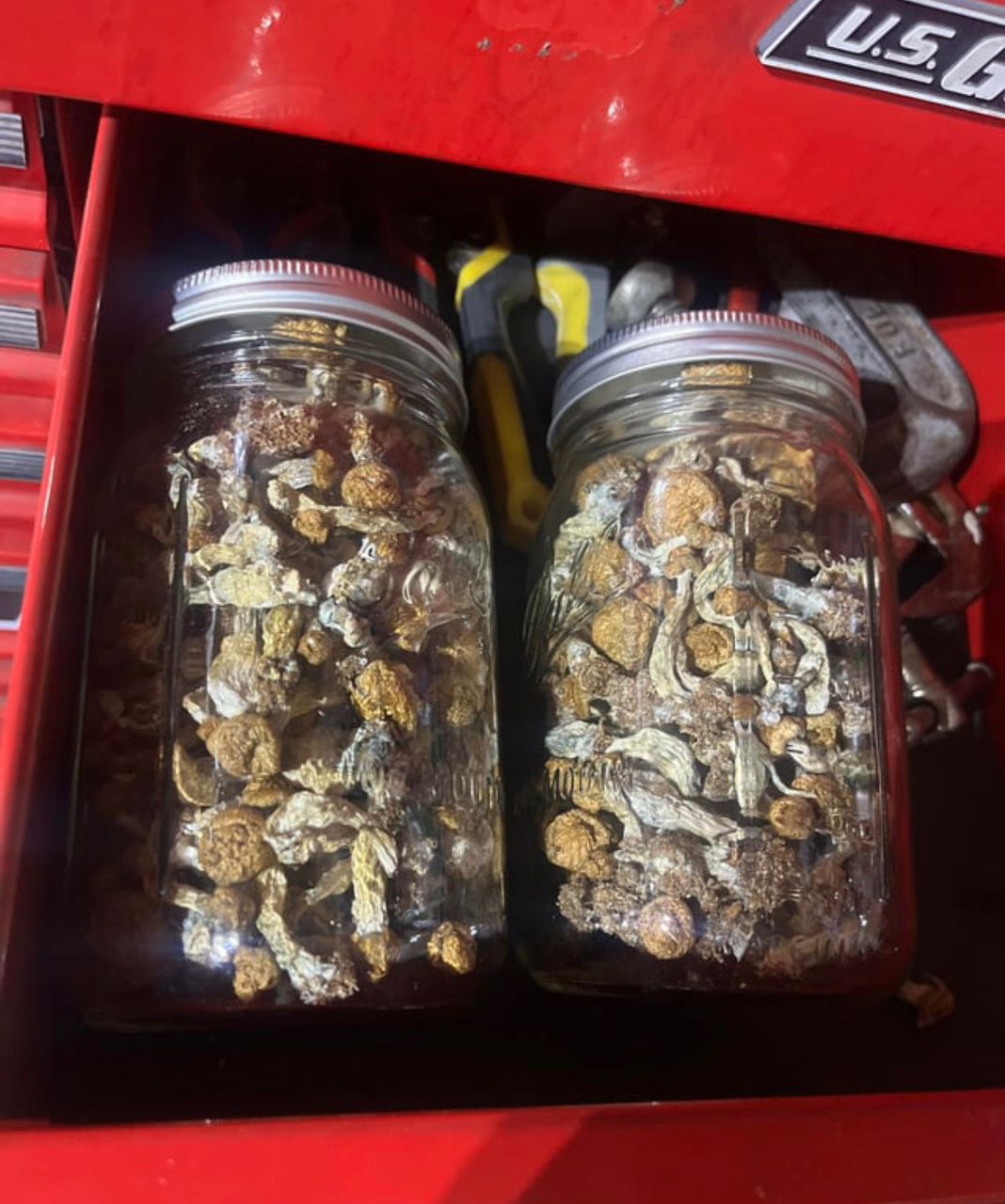
Magic mushrooms, primarily species in the genus Psilocybe (and a few others like Panaeolus), contain psilocybin and psilocin, compounds responsible for their psychedelic effects. Identifying them accurately is critical because many toxic or deadly mushrooms closely resemble them. Misidentification has led to severe poisonings and fatalities, often from confusing Psilocybe with deadly Galerina species or Amanita look-alikes.
Important disclaimer: This article is for educational purposes only. Psilocybin mushrooms are illegal in most countries (including the UK, much of the US, and elsewhere). Foraging wild mushrooms carries high risk—never consume any mushroom unless you are 100% certain of its identity. The safest approach is to avoid wild foraging altogether and consult experts or mycological resources. If in doubt, throw it out.
Core Identification Features of Psilocybe (Magic Mushrooms)
Most common psilocybin-containing species share these traits:
- Blue bruising: When the stem, cap, or flesh is damaged, pinched, or cut, it turns blue, blue-green, or greenish-blue within minutes. This occurs due to oxidation of psilocin (a 2019 study confirmed it’s linked to psilocybin/psilocin degradation forming quinoid oligomers). Not all psilocybin species bruise intensely, and some non-psilocybin mushrooms (e.g., certain boletes) bruise blue too—but strong, consistent bluing on stems/caps is a strong indicator for many Psilocybe.
- Spore print color: Dark purple-brown to black (almost jet black in fresh prints). Take a print by placing the cap gill-side down on white paper for 4–12 hours. This is one of the most reliable tests.
- Cap features: Often conical, bell-shaped, or wavy when mature; hygrophanous (changes color when wet/dry); colors range from caramel, golden-brown, to chestnut (fading to straw-yellow when dry). Many have a gelatinous pellicle (slimy removable skin on cap when fresh).
- Gills: Adnate to adnexed, close; start pale, darken to purple-brown as spores mature.
- Stem: Slender, often fibrous; may have a partial veil remnant (but no true ring in most Psilocybe).
- Habitat: Varies—dung (e.g., P. cubensis), wood chips/grasslands (P. cyanescens), pastures/lawns (P. semilanceata).
Common species examples:
- Psilocybe cubensis (Golden Teacher/Gold Caps): Large cap (2–8 cm), golden-brown, prominent veil remnant, grows on dung.
- Psilocybe semilanceata (Liberty Caps): Small (0.5–2.5 cm), pointed nipple-like cap, grows in grassy fields.
- Psilocybe cyanescens (Wavy Caps): Wavy cap margin, strong bluing, on wood chips.
Deadly Look-Alikes to Avoid
These are the most dangerous confusions—many contain amatoxins (liver/kidney-destroying toxins like alpha-amanitin), which cause delayed symptoms (6–24+ hours) leading to organ failure and death.
- Galerina species (e.g., Galerina marginata, Funeral Bell/Autumn Skullcap):
- Small brown cap, rusty-brown spore print (not purple-black).
- Grows on wood/decaying logs (while some Psilocybe do too).
- No blue bruising (or very faint/non-existent).
- Often has a ring on the stem from partial veil.
- Fatal—responsible for many “magic mushroom” misidentifications.
- Amanita phalloides (Death Cap):
- Pale green-yellow cap, white gills/spores, volva (sac) at base, ring on stem.
- Grows on ground near trees (not dung/wood chips like most Psilocybe).
- No bluing.
- One of the world’s deadliest—causes most mushroom fatalities globally.
- Destroying Angels (Amanita bisporigera, A. virosa, etc.):
- All-white, volva + ring, white spores.
- Often confused with young edible mushrooms, but not typically with Psilocybe.
Other risks: Small brown mushrooms in general—many toxic genera like Conocybe or Pholiotina share habitats.
Step-by-Step Safe Identification Process
- Never rely on one feature: Combine multiple traits (cap, stem, bruising, spore print, habitat).
- Perform a spore print: Essential—purple-black = possible Psilocybe; rust-brown/white = discard (likely toxic).
- Test for blue bruising: Gently pinch or damage the stem/cap—wait 5–30 minutes. Strong blue = promising, but not conclusive alone.
- Document everything: Photograph from all angles (top, gills, stem base, habitat). Note location, substrate, season.
- Use multiple resources:
- Reputable field guides (e.g., “Psilocybin Mushrooms of the World” by Paul Stamets, or regional mycoflora books).
- Mycology apps/forums (but never trust AI alone—cases of fatal misidentifications exist).
- Join local mycological societies or attend workshops.
- When in doubt, throw it out: The golden rule. No folklore shortcuts (e.g., “all blue-bruising are safe” or “white mushrooms are poisonous”—both false).
- If foraging: Collect responsibly, avoid polluted areas, and preserve samples in case of poisoning (for hospital identification).
Final Warnings & Advice
- Most experts recommend against wild foraging for psilocybin mushrooms due to risks. Many poisonings occur from amateurs mistaking Galerina for Psilocybe.
- Symptoms of amatoxin poisoning are delayed—seek immediate medical help if ingestion is suspected (call poison control: e.g., 1-800-222-1222 in US).
- Legality: Possession/cultivation is illegal in most places—focus on education, not consumption.
- For therapeutic interest: Explore legal clinical trials or decriminalized areas under professional guidance.
Accurate identification requires experience—start with books, experts, and practice (without ingestion). Stay safe, and remember: curiosity about fungi is great, but safety is non-negotiable.